Don't Stop! 15 Things About Window Repair We're Fed Up Of Hearing


Sash Window Repair
Sash windows can be severely damaged from age and neglect. Cosmetic damage could require replacement. However, functional problems such as draughts or rattles are signs that a sash windows needs to be repaired.
Steam the sash first to loosen it. Then remove the wood pegs with a pin punch and hammer. Mark and identify all components to ensure they can be replaced correctly.
Wood that is damaged or broken
If left unattended, the rotting timber could cause brickwork to break down and damage the plaster around the window. The good part is that most of the time, this can be corrected without the need to replace the entire window.
The first thing that needs to be done is to ensure the timber in question is dry. It's important to look at the grain and colour of the wood to determine if it is solid and unaffected by damp. If the wood appears soft and brown, it's likely that rot has already occurred. Make sure that the sash's place is supported by a variety of spliced pieces of timber and that they are not damp.
Another issue that is common is moisture getting trapped in the corners of the sash frames. If this is the case, it can cause sash frames to bind and become difficult to open. The solution to this is to clean the sash channels and remove any obstruction with the sharp edge of a wood chisel. Once the sash channels have been cleaned clear of any debris they can be primed to stop future problems with damp.
It's also important to examine the wood used in constructing the window frame. It is best to use wood that has the same grain pattern and colour to the existing wood pieces otherwise it could be difficult to blend together the joins. It is also worth using a preservative on the wood, since this can help to keep it in good condition and help prevent rot.
If your sash window timber is severely damaged and rotten, it could be beneficial to replace it entirely. If you decide to do this, it's important to choose a replacement that is of the same style that your windows are to ensure that it's as appealing when it's put in your home. The choice of UPVC over timber for instance, may lower the value of your house as prospective buyers might think you are going against period style.
Insecure Sash Hardware
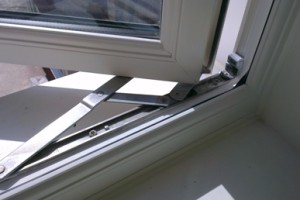
A sash window is constructed to glide effortlessly, but often wood rot and other problems can affect its performance. In addition an unfunctioning window could cause drafts and a loss of energy efficiency in the home. If you do not keep a sash-window in a secure location it will begin to wear out faster. This can decrease its lifespan and lead to water or moisture infiltration.
If a sash window isn't functioning properly it can be a frustrating experience and difficult to determine the cause. In many cases replacing the sash could be the solution. upvc window repairs or both windows if the issue is due to rotting wood, misalignment, or an imbalance.
Replacing just one window sash can be less expensive than replacing the frame and the glass. It's also a less complicated project than installing new double-hung windows, which require a higher number of trims and components to be removed. If you are looking to replace a sash within your home, a good way to begin is by visually looking at the window and frame. There could be gaps or misalignments that can cause the sash slide down and hinder it from staying up.
In most cases it is possible to repair a double-hung sash by removing the trim and work from the inside. It is best to first take off the stopper in the interior of the sash that creates a track within the bottom window. To accomplish this, spray a hose with water and lightly mist the paint inside the stop, then pull it off with a utility knife. After that, using a sharp blade you can trim off any nails that are protruding from the back of the interior stop.
Once you've removed the sash and the frame, you can look for an access panel for weights, which is a knockout inside the frame that is large enough to allow the weight of a sash through. If yours doesn't have one, you can make a new hole by cutting an elongated rectangle from the jamb liner of vinyl to the height of the stile.
Sash Weights That Aren't Working
The two weights that pull the sash up and down may be separated from one another over time, leading to the sash becoming jammed, or stuck in an open position. This is usually caused by broken or worn cords that pull the sash, which must be replaced.
It is important to lay down dust sheets everywhere you can during this repair process to keep debris or dirt from accumulating on your furniture or carpet. This is especially important if you plan to lift and move the window while working, to avoid damaging any area of your home.
Begin by carefully removing each bead from the frame on either side with a small, broad chisel. There is the groove that runs down the sash's side and finishes with a hole for the new sashcord. Remove any knots on the old cord nailed or glued into the hole.
Start by replacing the top sash cord. To do this begin by lowering the sash gently until it is in contact with the bottom sill. Hold it up with the wood either side of the frame. Otherwise it could fall on the floor, causing damage to the glass.
Then, take off the access panel from the frame and retrieve the sash cable and sashweight. Once you have the sash weight, take the dado from the wood's edge and insert the nail to secure it. Make sure the nail is long enough to get into the sash's pocket otherwise it won't fit.
Once you have the weight set after which you can replace the sash cord by feeding it into the hole. Then, push the sash over the rails, down into the windowbox, and then test whether it opens or closes. If needed you need to add more lubrication to the rails (we recommend silicone spray for vinyl, or candle wax for wooden sashes).
Replace both cords. Make sure that they're the same length so that if you take one off the pin, it can fall through the sash and rest at the pulley, allowing the sash function normally. After the sash has been re-hung you can reattach the stop bead and your sash will be completed!
Glass that is damaged
A broom, a baseball, or a stone put out by a lawnmower can be enough to break the glass. The glass that has been broken allows rain, snow and insects to enter the home. In some cases the damage caused by shattered glass could necessitate a complete replacement of the window. Installing new windows is expensive and time-consuming home improvement project. In most cases, replacing damaged window panes is an easier and less costly alternative.
It is important to inspect the existing sash thoroughly before trying to replace the glass. This is a fantastic opportunity to identify any areas where the wood is beginning to rot, or areas where glue, weather stripping and hardware have deteriorated. Making the effort to conduct this test will save you from having to do even more work in the future.
After removing the glass, it is a good idea for the wood to be coated with a homemade wood preserver. Mix equal parts mineral spirit and linseed to make the wood preservative. Once mixed apply the mix to the surface of the sash with a putty knife and let it dry completely. This will ensure that the new glass and sash will remain waterproof and durable for the duration of.
If the sash in good condition, you can repair it without removing the glass. The first step is to take off the window stop, which is a vertical piece wood that is placed above the stiles in the window frame. The stop is typically secured by a small pry bar, which is atop a stiff-bladed knife. After the stop has been removed, it is possible to split the stiles and rails with a mallet with a soft face or a woodworking hammer in order to avoid damaging the shape of the sash. The next step is to remove the muntins. They are the horizontal and vertical pieces of wood that divide the glass panes within a sash.
It's simple to replace damaged glass once the muntins have been removed. Use glazing compound to secure the tabs made of metal into their slots on the sash.